Podcast | Connecting Vision, Technology and a Structured Management Method to Accelerate Improvements at Foundation Health Partners
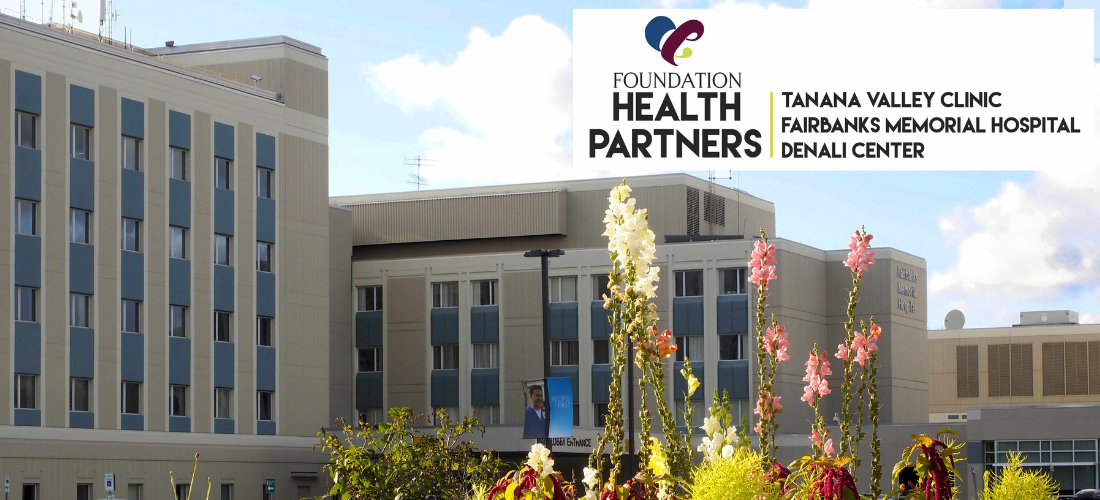
Host Chris Backous in conversation with Dr. Angelique Ramirez (Foundation Health Partners), Robbi Bishop (Virginia Mason Institute), and Ian Petersen (Stat) about the magic of combining technology and a management system to optimize patient care.
Featured in this episode:
- Chris Backous
- Robbi Bishop
- Ian Petersen
- Dr. Angie Ramirez
- Virginia Mason Institute

Episode Transcript
Better Never Stops | Connecting Vision, Technology, and a Structured Management Method at Foundation Health Partners
Chris Backous: Thank you for joining us for Better Never Stops, our podcast for healthcare leaders and everyone committed to transforming healthcare. We interview leaders from our clients and partners around the world as well as leaders right here in Seattle who work to maintain a culture of continuous improvement at Virginia Mason Franciscan Health.
In each episode, we hope to explore a philosophy of “go see, ask why, and show respect.” My name is Chris Backous and I’m an executive partner at the Virginia Mason Institute. I’ll be your host for this episode of Better Never Stops. Today we’re talking about the magic of investing in strategy, technology, and process improvement all at the same time.
We’re going to be talking today about work at Foundation Health Partners in Fairbanks, Alaska, and I want to start by introducing my colleague, Robbi Bishop, an executive partner here at the Virginia Mason Institute, who’s been working closely with FHP. Robbi. Thanks so much for joining us today.
Robbi Bishop: Thanks so much, Chris.
Chris Backous: Can you tell us a little bit about yourself and the role you play with FHP?
Robbi Bishop: Yeah, I’m Robbi Bishop and I’ve been at Virginia Mason Franciscan Health now for 25 years. I’m an executive partner with the Virginia Mason Institute, which means my primary role is on engagement, planning and delivery within the organization.
Chris Backous: So how did you get started with FHP?
Robbi Bishop: Yeah, about two years ago we, they reached out to us and wanted to explore what a structured improvement approach could look like for them. They have a vision to become a patient-centered, integrated health system that delivers excellent care. And so they have that vision and strategy, but they needed the how behind that.
And I think that’s where. Our structured to management approach really fits the bill.
Chris Backous: Next I’d like to introduce Ian Petersen, who is the Vice President of Customer Success at Stat. Hi, Ian. Can you tell us a little bit about your work? And what is Stat?
Ian Petersen: Yeah, thanks for having me on the podcast today.
Excited to be here. So yeah, VP of Customer Success here at Stat. Me and my team, our opportunity is to help customers get onboarded and use the use Stat to its fullest potential. Stat is a care operations platform. The problem that we are helping people solve is really the question, where is my MA, where is my provider?
We are a realtime locating system, and what we do is help providers and staff eliminate waste and become more efficient in their operations. And so when you’re hearing those questions, where is my staff, my provider, Stat answers those questions. We also help them communicate without having to go find each other.
And then we provide reporting data that was not previously available before Stat.
Chris Backous: Great. And you mentioned MA, that’s medical assistant for those who aren’t familiar with that term, that’s a part clinical, part administrative primary support for a provider who’s working through their clinic day.
So Ian, how does Stat work?
Ian Petersen: What we do is we provide all of the staff with, it’s called a stat tag. And what that does is allow staff to know where each other are, because we put tablets on the inside and the outsides of all of the exam rooms. And so if I’m wearing my tag, it’s gonna show my face and it’s gonna show that I’m in the room.
And then if I’m in the room and I need to communicate out to a provider or to another care team member what the patient’s needs are, I can use icons that are configured specifically for the clinic to communicate that this patient might need lab work or injections or an EKG. Then the third element to this is what we call a flow station.
It’s a large TV monitor that’s placed in strategic areas throughout the clinic. Another name for that is air traffic control. So from that TV screen, from the flow station, you can see, and I actually have, FHP’s pulled up right now from across the country. I can see what’s happening in real time in that clinic.
I can see where every staff member is. I can see which exam rooms have patients, and then I can see where staff should be going next and, and where all the patients are in the clinic. So that’s how it works. And then we’re timestamping all of these interactions again, to give that reporting data to the leadership team.
Chris Backous: Well, that is a lot of information at a glance. So what are some of the key success factors that come along with using stat?
Ian Petersen: Yeah, great question. What we found from our experience is when we’re starting to work with an organization. Is those teams, the leadership teams that are data driven, that are trying to make informed decisions using data, really have the most success with stat.
Those who have specific goals, we’re talking corporate goals from the very top down to the clinic level, and can tell us what they’re trying to accomplish. We can be very specific with them and we can dive in and help them optimize. The benefits of staff, not only for the direct care team members who can see organization in their day, where there used to be chaos up to the C-suite, who is going to now have data that they always wish they had, , but never previously had access to.
Chris Backous: So, I’d like to introduce Dr. Angie Ramirez, who’s the Chief Quality and Transformation Officer at Foundation Health Partners. Dr. Ramirez, can you tell us a little bit about what’s been going on at FHP with FHP Forward and what it’s been like working with both VMI and Stat?
Dr. Angie Ramirez: Yeah, thanks, Chris. FHP Forward has been a really critical initiative, but also activity for us. I think before we started on this journey, and I think that’s been the really highlight for me and learning for me personally, it is that it’s truly a journey. Before we started on this journey, I think all of our staff were completely 100% committed to excellent patient care every day at all time and worked really, really hard. The challenge is though, when you took a step back, it felt like everybody was busy all the time and there was just never enough people and never enough resources and never enough space. That was the ongoing refrain and yet no matter how much we added any of those, we could never get ahead. And it wasn’t even clear that we were actually improving and making things better for either our patients or our staff. And on this journey, it has become very clear and at First Care Clinic where we have both FHP Forward really strongly embraced and the data from Stat, they have really combined it to really make a difference on the ground floor for our patients.
And so it’s just really, it’s actually been fun to watch. I think we could have started sooner is the only thing I could think we could do differently because the staff actually feel excited and empowered and making a difference.
Chris Backous: So when you think about the opportunity of improved technology with Stat, thinking differently about the way you see patients using FHP Forward, and the work with VMI and the engagement of people, do you think that any one thing made the difference or was it a combination of all three things?
Dr. Angie Ramirez: Yeah, so that’s a really great question. Honestly, I think it’s the combination. One without the other wouldn’t have made a difference. So from FHP Forward and the flow workshops, our clinicians learned the power of waste and that there was waste built into how we thought about everything we did, and we had all completely 100% normalized it, which is why we needed more and more and more. The really other powerful concept that came through FHP Forward and the flow is really the teams all working together and coming together to make the decisions. I think traditionally we had, our leaderships were in the, you know, the leadership is superhero mode type thing, and one person makes the decisions.
But through the flow workshops, it really brought it down to the frontline teams making the decisions about how they could best work together to get things done. And, and then I think the piece of the stat that was really powerful was actually bringing data, and bringing data real time. We’ve had other clinics that had stat, but until they have the flow workshops and actually understood the power of using that data to drive change, it was hard to know what to do with it, and that’s why I’d say it’s the combination. I think the one example that has always been the resonated the most with, for me was when I would round over there and kind of ask at the beginning, has this made a difference?
At first it was hard for people to kind of come up with what was different or not, and it was only in conversation and discussion they realized the absence of one of their biggest problems and, and that is what they call room locks. They’ve been so normalized that this happens, which is why we need space.
And the room lock is when you run out of exam rooms. And so patients have to sit in waiting rooms, waiting for an exam room to be available. Even though doctors are available and staff is available, everybody gets frustrated. Patients are frustrated with waiting. The clinicians are frustrated because they’re ready to move on, but they can’t because there’s no rooms available.
This happened within probably a week of introduction of stats. Not a single room lock ever since, but it took a week or two to recognize when you no longer have something, you don’t always know that it’s no longer there. But in hindsight, the reflection piece was, rooms were available.
Because a physician trying to get things moving on had checked out a patient, but didn’t tell any of the staff that they had checked out that patient. And so there were rooms sitting available, but nobody knew for a couple hours that there was no longer anybody waiting in that room. Um, the other thing though that it’s happened is just, and I think when I speak with some of the physicians over there, and particularly the leader there, one of the.
Uh, aha moments for him was that he had come to work every day thinking that staff must not really care because people were having to wait so long for certain interventions. Um, but with the introduction of staff, you had the information about what every patient needed, and when that became available to all the staff, well then they could plan on how to meet that need.
And so it wasn’t really about people not wanting to work or being lazy or avoiding the work. It was quite honestly, they didn’t know what needed to be done. And so it turned into a really powerful tool that I think really brought the team together. And then I think the last example that resonates with me is, um.
You know, one of the physicians over there that I rounded with recently, she shared that it actually helps her be a better doc. And, and so physicians have a hard time sometimes with data when it’s aggregated because, you know, as a physician I have to take care of whoever’s in front of me, and that is the most important patient.
And all this other data is just data. Um, even though we as leaders look at all that, but she’s actually able to use the stat. She’s actually able to see what’s in front of her, of all the patients that are waiting to see her, and this patient is waiting for this exam. This patient is waiting for this result, and she can see somebody who’s waiting for her to see and she can prioritize throughout the day on an ongoing basis, using it, using the data that way.
So it’s used at all by all of our staff. And then, you know, at a clinical level. Uh, their widely important goal project this year, it’s our wig. Um, so wigs are something we do every year for every unit. Um, and, and they chose the wig, because of the stat data, and that the first, uh, patient of the day, reports and they learned that.
Even though they open at eight, they didn’t realize that their first patient wasn’t being seen till eight 40. So again, without having the data, you don’t know that. Um. But then using the data in a way where you bring everybody together to kind of figure out what’s actually going on and how to do it better.
And I think the other principle that has come through with patient Fhb forward was, always talking about what kind of everybody has in common instead of the problem. And what everybody has in common is the desire to take care of the patients. And so all of a sudden the. Uh, first start of the day wasn’t about a data report that we’re late.
It was about we’re here for our patients, and we said it’s eight o’clock, so why is it that we’re not starting at eight o’clock? And then back that in to kind of looking at flow and what’s happening, et cetera.
Chris Backous: Angie, I’ll start with you on this, and then Ian and Robbi, please come in after. It sounds like it’s not just about data, it’s not just about process.
It’s not just about the people, but how we engage them and how we bring the data to people. I was listening as you were talking there, Angie, and it, it seems like it data became a gift, not a punitive, like we’re not blaming anyone, but this is the current situation. What can we do about it? It seems like.
How you brought it forward. It wasn’t just that it was in a really real time useful format and stat, but it’s also how you chose to use data with the team as not a punitive or what you’re not doing. But there, there was something about how you frame the data. And Robbi, I think this goes to how we help people understand the current situation.
It’s not what’s wrong, it’s. What’s not adding value, and it’s no one’s fault. It’s the process we have today until we change it. So it seems like there’s something in there about bringing data to people in the right way. What are your thoughts about that?
Dr. Angie Ramirez: I think you nailed it. I mean, so the data is a gift, and that’s what we observed and that’s what we felt in this situation.
But without the team having gone through the flow workshops. I can 100% guarantee you it would have been, my goodness, administration’s bringing another chart to tell us about what’s happening. That’s their problem. I have patients that need to take care of and they don’t care about that. Um, and, and unfortunately, data is incredibly powerful, but if it’s used the wrong way, it, it, it can be.
Uh, incredibly demoralizing to people who are already working really hard and in this situation, the data, I think because the teams were already primed and then all of a sudden you get this huge gift. because that’s one of the things you learn. You have to understand current state. And it’s one of the things that I am still continually learning.
We all think we know what’s happening, but we only know what. I saw with my eyes, my nurse may see something different. The front desk may see something different, the patient may see something different. But we’re each trying to make decisions because we know best based off of what we as one person saw.
It’s kinda like the well with the blind men and the elephant. Um, everyone has a different perspective and then yet now all of a sudden you have this gift that really make drives your current state. Awareness by leaps and bounds because you’ll each still have your own hat and your own perspective. But now.
It’s not just me looking at it, it’s me with the whole team looking at it. And now it’s this gift. Oh my God, we have something that’s objective, that compliments all of our perspectives and that all of our perspectives can perhaps inform or it can inform what we do. So no, it, it changed it completely into a gift.
And, but again, I don’t think without the fhb forward, we would’ve been able to. We would not have, I know we would not have been able to move forward as fast as we could in that area.
Chris Backous: I know that you know Robbi, you came in at a time with FHP, really interested in process improvement. And you know, you and I both have a real love of technology, data driven, but also understanding process.
So when you think about some of the initial improvement work that was happening, you came in, were you bringing in some of the process improvement work that we do with our clients at the same time stat was there or did someone come first help us with the timeline?
Robbi Bishop: Yeah, great question Chris. At the time, we were starting to implement what’s called our Improving Flow workshops within the organization.
It’s a two-day workshop where we bring physicians, medical assistants, nurses, schedulers together. We teach them improvement principles along with our PDSA or Plan do study Act cycle. And they’re, they’re really, en engaged and empowered to take these principles and apply them to their own work. We had a, uh, improving flow workshop coming up in a few weeks and I got this call that said, Hey, we have this, uh, team we’re working with stat, and are you okay?
They’re gonna be on site during the workshop. Would you mind if they joined the workshop? I’m like, Hey, I’m excited to hear about this. And they told me a little bit about it and it was almost like a match made in heaven because any plan, do, study, act improvement cycle relies on an understanding of the current state, right?
And so the data that you’re able to get. From the, from Stat and the care op ops, uh, platform gives you an understanding of how long patients are waiting without providers. For example, how long a physician is in a room versus, not in a room, for example. What is that signaling mechanism between the medical assistant and the provider?
These are all important things to improving flow within, a clinic setting. And so it was a perfect match and so Ian and one of his colleagues was able to join us. And really it was a great opportunity to see how we could work together to help FHP accelerate their improvements.
Chris Backous: Ian, what was that like from your perspective?
Ian Petersen: Yeah, thanks. I was, I was hoping you were gonna ask to share my side of the story on that. So what we were doing at the time that Robbi got that phone call is we were preparing for what we call our executive business review, uh, with the leadership team that we, we hold, uh, probably twice a year, uh, depending on the customer.
And what we ask during or to prepare for those is what. Is top of mind for the leadership, uh, team. And that’s when we were introduced to, uh, VMI and, uh, and then Foundation Health’s FHP Forward Initiative. And they have some specific goals tied to that. And so I was sent some slides that you use for your presentations and, and like Robbi said, it was just like a match made in heaven, as I was.
Reading through those. There’s, for example, a flow station is referred to, we need a flow manager. And, uh, you know, in my mind I’m, I’m thinking how, how can you have a flow manager without a flow station and make that person as effective as they can be in that role? It’s like, how can you have an air traffic controller without an air traffic control system?
And so those were some of the thoughts that were coming to my mind. So anyway, they gave us, what they were working on with their FHP Forward initiatives. Uh, we were able to tie that directly to the work they were already doing with Robbi. And, uh, and that helped us, uh, show what they had accomplished already by using stat tied to eliminating waste, standardizing work, and, supporting flow managers.
Chris Backous: You know, Robbi, I go back in time to when we first learned about, you know, all of these improvement methods from our Toyota senses. And you know, the thing that always came back is any information that shared should travel in the same direction. As the part or for us, the patient. And so this seems like such a great addition to facilitating a patient in a continuous non rush, but nonstop journey through a clinic day.
And that information now is quite literally attached to the experience that seems to have been the missing link for us for so many years working with Improving Flow.
Robbi Bishop: Yeah, I would agree. Chris, there’s many ways that we’ve seen clinics. Organize their flow to signal, for example. And, everybody goes through their own journey.
And I would say what stats able to do for clinics is almost accelerate that many, many years quickly. Right? You start to think about how I can just push a, a button on a screen and it let my medical assistant know readiness of the vaccines, for example, right? Just imagine having a child in the room who’s really anxious about getting this vaccine and waiting 5, 10, 12 minutes.
Guess what? We could push a button, signal them to the medical assistant to get the vaccines ready. So when I’m done as a provider, that medical assistant comes right in and we’re able to help that kiddo out and get them, get them on their way. Right? The last place they wanna be is in that scary clinic.
And so that’s just one example of how technology, but also the improvement approach of FHP Forward come together really nicely.
Chris Backous: I think about process improvement, improving flow in an ambulatory setting, and. You know, the flow of information and, and it seems like Stat is a great tool, but without people thinking about running processes that actually work right the first time, deliver what’s needed, seems like it’s, it’s good information, but not as effective as it could be.
And I think about our improving flow workshops and how effective they are, but yet. If information could be more actionable, real time, we would get so much more. So it seems like between the two trying to serve patients well meet and exceed their expectations without wait or delay information that flows and processes designed to actually deliver the outcomes we’re looking for.
Really seems like that’s that sweet spot where technology. Process flow and care delivery come together in a really smart way. What are your thoughts about that?
Ian Petersen: What’s really rewarding for us to see is you can invest leaders, spend and invest a lot of time with process improvement. Um, I had just read the book that you guys had published and, and you know, trying to switch mindsets from, um.
Uh, provider centric to patient centric, uh, organizations is a hard thing to do. And, uh, what, what we’ve seen both at FHP and and uh, many of our customers is you can go through a lot of work and project, uh, improvement, process improvement, and, and have success for a week or so, or, you know, for some.
Period of time. Um, but what, what you’re talking about, Chris, being able to use the Flow station to monitor in real time deviation from best practice is a tool that practice managers, uh, find invaluable because they cannot. Follow and shadow every provider or every team member through their process. But they can, they can, they can observe a flow station for half an hour, a day, twice a day, and see what, what they can find.
They can also go back and see historical data and see, you know, why does this provider, call for their, uh, ma. Um, you know, five, 5% of the time where the rest are doing it 30% of the time and their cycle times are lower. The data and the real time information that you’re talking about is just an invaluable resource that we’ve found to help sustain the project and process improvement that we’re talking about.
Chris Backous: Robbi, what value have you seen having, you know, done. Flow workshops without a tool and a resource like Stat and the FHB team using stat. What do you think the effect was that you observed when people were using both Stat and the insights they were gaining from the Flow workshop?
Robbi Bishop: I would just think about the word accelerate.
It really helps them accelerate their improvements by having this, level of technology that they didn’t have before. Some of the clinics had started with Stat, but they hadn’t done the improving flow workshop. So they had this mountain of data. They had this ability to signal that they didn’t really have an ability to empower their team, or they didn’t have a method of making improvements.
And so once they had that, I’m thinking of pediatrics for example, Ian, they could just accelerate so much faster, right? So one on its own is good. The two together really made a big difference. And their ability to accelerate improvements. But Angie really talks about this level of quietness that you see in the clinics who have an improvement methodology along with the technology because they know where everybody’s at.
So the time that they’re spending is value added to the patient. It’s not spent finding. It’s not been asking somebody where Dr. Smith might have been and Dr. Smith isn’t there and let me go talk to somebody else about it. Nope. They know where they’re at. They know how long they’ve been in a room. I can just sit and do my work knowing about where my my provider is going to be, so then I can serve the next patient when they’re ready.
So it’s those types of things. That’s the acceleration and just the calmness that comes about when you have the combination between an improvement methodology. But also technology.
Chris Backous: Sometimes the savings of time could be measured in seconds, in just a few minutes, but I think the, the time that people take looking and searching and you know, we say it’s the worrying and the wandering.
It’s just a few minutes. You know, it’s, it’s really not a problem. It’s what I have to do every day. And then you think about, well, what if you didn’t? And then you actually looked at how many times do you do that in a day? And how many people are doing that every day? Pretty soon you start to see capacity.
Kind of open up, you know, it’s really that value of small time, little bits of time added up throughout the day, suddenly create this tremendous opportunity. Ian, I’m wondering, you know, one of the other things we often hear about with clinic flow is, is there’s just more space. And so it’s really taking a look at utilization.
Um, have you learned things by using Stat and, and reflecting utilization patterns with teams?
Ian Petersen: Probably the most surprising report that we show after, usually about after six weeks, we feel like we’ve got a good enough sample size to start showing what we call our resource utilization report. And what that’s showing is is the percent of.
Time that each exam room is occupied. And I think on average, you know, when we show this report, leaders are questioning it. But the highest that we found that, uh, exam rooms are occupied is, uh, about 45% of the time. And. More often it’s, it’s closer to the mid to high twenties, uh, maybe getting in, getting into the low thirties.
Uh, that was definitely something that First Care at Foundation Health, uh, wanted us to focus on with them. That was some, a concern that they had, but that’s something, you know, using the Flow station was after 24 hours of being live was. Was a non-issue, was a thing of the past. Because in real time you can see which rooms are occupied and and which are not.
Chris Backous: You know, that real-time information, it creates a lot of curiosity. I’d say curiosity, not at first. There’s always that, you know, it’s almost like we’re trained to distrust data until, uh, until we see it with our own eyes, but then you see it with your own eyes. I’d imagine that there’s opportunity as well that you know, what’s the impact of a small change.
You could model it real time. And see measurable results. Did you find Robbi, that there was opportunity to do some realtime plan, do study act cycles to convince some of the more skeptical folks?
Robbi Bishop: Oh, hugely. Hugely. I would say the ability to see something in real time and to see the entire clinic all at once really opened people’s eyes to what was possible.
I recently led a innovation event, a three P event, up up at FHP. We were talking about this innovative approach, which is next room up versus my assigned rooms, right? Rather than I have these two or three assigned rooms for me every day. We are gonna work in a pod where maybe it’s, four providers sharing seven rooms.
So the next room up is critically important, and that reduces the amount of rooms that just sit idle. Right. It also makes, by having a technology like Stat available, it allows you to see that, wow, even with four providers in seven rooms, we could potentially add a, a fifth provider potentially, right? Or we could be, we could stay in the room a little longer thinking that, all right, we’re okay.
We’re okay with our flow. But if you don’t have that real-time data, you start to manage differently. So the team was able to, to see the work differently, to respond differently as leaders, and then go back over time and see trends as they were doing improvement work. So it’s really nice to see that.
Chris Backous: You know, I wanna come back to something you said earlier, which is the clinics that add use of stat.
Without the inside of flow. So they, they didn’t have the provocation of process improvement and, and kind of seeing what’s possible, what, what would better look like. They had data, they had things that they could reflect on, but the teams who actually had the data and the, the resources from Stat and the awareness of waste and burden of work and balancing work between teams that they get in the flow.
Suddenly they started to see opportunities. Is that fair to say?
Robbi Bishop: Yeah, I would, I would agree with that. Chris. I would say once they took the improving flow workshop, they had these approaches that they could consider to make things better like five s. How do I not ever have to leave the room? How do I have what I need, where I need it?
What about the impact of setup production? For example, we teach them the power of set production. So rather than the five minute takes me to get ready for, uh, skin biopsy, I can just open something up and it’s ready in 30 seconds. That makes a huge difference as we’re looking at the flow of the clinic, and then how do we make sure that we’re keeping our patients safe through those principles of mistake proofing?
So for example, those are things that they came in with. So now that they’re mirroring the data that they see with these proven improvement methodologies, they can really take that improvement cycle forward and try to make things better. So. One on its own is great, but this data, the richness of that data was just amazing.
Ian Petersen: Yeah. And so if someone selects an icon and they’re saying We need, uh, EKG, we’re gonna measure how long the icon is active on the tablet, how long it takes for someone to come in and respond to that. And so we can do, you know, the AB testing you’re talking about a couple of other. Super fascinating stats that, uh, are available is in the average hour worked.
How much time is a medical assistant spending in direct value added time with a patient? And how much is a provider in these executive business reviews or in our meetings with, with the team members? We’ll ask them, what do you think? What do you think that time is? Medical assistance on average spend 13 minutes of 60 minutes of, of an hour indirect patient care.
Um, and on average, providers spend 30 minutes. About 50% of their time is direct patient. Care in an hour. The MA data is probably more, uh, surprising than the provider data. What’s, one more that I’ll share is in an average 10 hour shift, if, if it’s an urgent care, for example, how much time, uh, is a provider spending in value added time with patients?
Uh, it’s probably two and a half to three hours of the 10. 10 hour shift. And so like Robbi’s talking about what are these processes that could be changed to, to maximize the use of providers and, and how can we shift priorities to help people who specialize in patient care do that and, and other people do administrative work
Chris Backous: well.
And I think, I think, you know, we’re talking a lot about numbers and data and I think this is where people start to see, well, this is about doing more the thing that we wanna remind people. You know, things that are based on the Virginia Mason production system, which is kind of our core operating system and improvement methodology.
It’s not about faster and less, it’s about creating value for the minutes you spend with people. You know, I, I think about the flow workshops that I’ve led, Robbi, we’ve led together as well. It’s that moment when someone in the room feels like the time they’re spending is worth it. Now, the people who go home at the end of the day where the density of their day was spent doing the work that they love to do.
It’s not harder work for them, they actually go home refreshed. Have you either of you heard anecdotally from the teams at FHP, anything like that?
Ian Petersen: I’ll share. I’ll share, yeah. A couple of experiences, uh, in some cases. And NFHP is the same stat isn’t rolled out. Yet in all of their departments. And you’ve got floating staff and those staff who work in, uh, departments that do have stat and then go to others that don’t.
Uh, we’ve heard feedback saying, you know, it feels like chaos when I don’t have air traffic control. Essentially, it does bring in a level of order. And organization to their day and, and helps them know, you know, where they’re supposed to be. And what they’re supposed to be doing is the feedback that we, we hear consistently.
When that’s the case,
Robbi Bishop: I would add a story about their, first care team, which is an urgent clinic team. It was really at the start of the day, so the doors might open at a specific time. I forget if it was 7:00 AM or 8:00 AM but the doors would open. But that time when somebody came in, until they started to put their eyes on a provider, they were looking at that time.
So what they were seeing was there was this extended period of time before the provider was coming in to see the patient. And so there are many reasons. Some of it was signaling to the provider that the patient’s ready. Some of it was the workup with the medical assistant, some of it was getting the patient registered as they were coming in.
And so they were lots of opportunities there. But at the end of the day, we all agree that we wanna start the day off. Great. because if you start the day off, great. We can have a great day to follow. If we don’t, then we feel behind from the moment our day starts. And so lots of great examples from First Care and how they’ve been able to see improvements from the time the person arrives when those doors open.
Right? Somebody might wanna get in before they had to go to work. And so I, I wanna be in work, I gotta be at work in 45 minutes. How can I see my provider get in, get out, and get along my way? And so that’s been some great parts, the great early stories around how the team is combining an improvement approach.
To the data that stats, providing them so that they can actually really drill into where their opportunities are. And then, like I mentioned, Chris, take those improving flow principles and think about how do we do this a different way, guys, so that we can see these types of patients. Quickly so that they can get on their way and we can start our day off.
Ian Petersen: I can just add, uh, another success story for the same group there and what the story that Robbi just shared influences this. I’m looking at the data now actually, and this goes back 14 months. What they’ve been able to do as a result of what Robbi just spoke about and just being aware of their cycle times.
Is reduce the amount of time that patients are spending in the lobby by 50% and the amount of time that patients spend alone in the exam rooms by about 10 or 15%. Um, combination of, uh, work they’re doing with you and, uh, and being aware and seeing the wait times for patients and just, uh, being cognizant of that
Chris Backous: when you think about what can we do on any given day to impact.
A better patient experience and a better report of service delivery from patients. So patient satisfaction is remove those two wait states. The waiting in the lobby where the start time is unknown, but then also that, that time in the exam rooms, you know, we, we spend a lot of time in these flow workshops saying, you know, if, if you could do one thing today, try and eliminate those weights in the exam rooms because it’s the patient’s perception of.
Once I hit this room, my care should continue. So, you know, people don’t really understand because they’re busy, just how long that patient’s been waiting, because the reason they’re waiting is maybe the team’s busy doing other things and you lose track of that time. So having that reminder, you know, for that patient, the clock is running, but nothing’s really happening.
So, Ian, to you, is this a space that you spend, uh, time with clients talking about coaching them, how to use data, how to frame the data? Do you think that’s an important call out for folks?
Ian Petersen: It is, yeah. It’s a, it’s a critical call out because. Uh, one of the biggest hurdles that my team has to overcome whenever we’re first starting with a, a new customer is the fear that care teams have of being tracked.
And then also, uh, what could happen with the data. Uh, one of the customers we have has set it really well where he’s. Flat out said to his team, we need to be very clear and communicate to the staff that we cannot and we will not weaponize the data. So what we do as part of our communications in preparing for onboarding is talk about the data is available, first of all for everyone.
It’s available for Angie, and it’s available to the newest medical assistant who just started last week. We try to teach. To not only, uh, know what the data is, but also get it in front of the care teams to do what Andy’s talking about is get them engaged and part of the process, which is definitely best practice.
I think FHP forward took it to a different level, a higher level than most do because there’s a bigger vision for what we’re using this for.
Chris Backous: So, Ravi, what kind of coaching advice would you give maybe the advice that you gave as well as what you would give to people? Who are trying to take advantage of opportunities like bringing the improving flow and real great resources like Stat to teams like FHP.
Robbi Bishop: Yeah. Great. Great question Chris. I kind of wanna build off of what Ian and Dr. Ramirez had just said, and I was writing down notes as you guys were talking, but I wrote down in times of tension and invisibility, people become the problem, but in times of visibility and transparency process becomes the problem.
So one coaching thing I often will help folks with is how do you see the situation that’s happening in front of you and what do you see in the people? What do you see in the patient experience? What do you see in the team members’ experience? And what are some contributing factors? And you just accelerate that with the data that stat’s giving you, because it gives you transparency.
It gives you visibility, and so now we can all come together with process improvement. So much of what we’re focused on, Angie, is really just A-P-D-S-A cycle. I feel like I say it every single time 20 times a day, but let’s think about this as A-P-D-S-A cycle. If we have a plan, we’re drafting that plan based on known information, be it start of the day gaps or patient waiting gaps, room turnover gaps.
So we have that information above and beyond what maybe we can get in direct observation and it’s more real time, right? And so that’s your plan. You gotta go understand the current state so you can come up with an idea that’s your plan, and then you go out and test it and you can get information about what’s working well.
You can tweak your test of change and you study that with new data that that stats able to get you. And, uh, you use your principles of FHP forward to generate new ideas. At some point, you’re adopting a new standard, you’re adopting a new practice, a new best practice, and then you’re just refining that over and over again.
That’s part of the work that I would say is really super important. We’re having these conversations with FHP executive teams about this principle of sharing and spreading. So we work really closely with them on the value stream teams. When we hear lessons from these value stream teams or these areas where we’re going really deep into improvement work, what’s the share and spread opportunity?
But you have to go in it with a bigger mindset with, you have to see the whole picture of the organization. And what we’re seeing in the value stream teams are clear standards of what’s normal versus what’s abnormal. Clear definitions of best practice questions that the teams are asking. So when you go to a new area.
They’re gonna accelerate their improvements so much faster. But I would say that three legged stool of a management approach, clear goals and strategy, and then the combination of technology really help it move forward. So those are all kind of questions that I’m asking folks as I’m coaching them along the way.
Chris Backous: Robbi, can you state those statements that you said, I think they’re worth hearing one more time.
Robbi Bishop: Yeah. I would say in times of tension. Invisibility people are the problem, right? It’s, it’s natural for us to blame this other department, this other team. Oh, it must be the registration team that’s holding people back.
It must be my ma it must be the provider if I’m the ma. Right? It’s, there’s no transparency. Um, things are tense because they’re running behind. I just got snapped at by a patient because it’s, you know, they’re 30, 40, 50 minutes beyond what their schedule time was. In times of clear transparency and a leader who’s doing great problem framing process becomes a focus, right?
Let’s all think about the process now. Now we’re all working together. My medical assistant and my physician and my registration team are all coming together because we have transparent information. We have a good understanding of the problem. Now we can work together to make it better. But without the transparency, without that leader not being a problem solver, their job is to bring the right people together.
We can solve this now, but without that transparency and that problem framing mindset, we’re going to really struggle.
Chris Backous: Yeah, and, and I think about that because it’s, what we’re really talking about is change and transformation. Transforming healthcare is a combination of both really leveraging technical resources we have, but also applying it to the adaptive situation.
You know, at the end of the day, it’s about people. And for us in healthcare, it’s about patients and the people who provide that care to patients. And so I think, you know, kind of the takeaway here is really. When we think about solving problems in healthcare, people always gravitate to what can we do?
What can we buy, what can we invest in? But we don’t think about how to do it well, how to make the best use of what we can afford and what we can do. But ultimately, if you don’t have that key anchor of why we’re doing this in the first place. You know, it’s, it’s not the waste you’re creating, it’s the burden of work that you’re experiencing.
That’s the why message. So let’s go after something that could give us more realtime information. Let’s look at doing our work differently. So I think that’s really a key takeaway. So we’re kind of nearing the end, and I always like to ask people for their final thoughts. So we’ve been talking about stat, we’ve been talking about VMI and improving flow, and we’ve been talking about FHP Forward and engaging people with the method.
When you think about some of the top takeaways from, you know, this shared work, I, I call it the trifecta of great caregiving. Great process. Re-engineering and great information, real time informing the use of all resources, including our people’s time. So could we just go around and, and hear from each of you, what’s a key takeaway from our conversation?
Ian Petersen: Yeah, I, I think for me, the, the takeaway is it’s really rewarding to see the improved patient experiences, uh, as a result of the work that we’ve been talking about. That’s, uh, what we are focused on at Stat is, is doing that and just getting the right, uh, ingredients together. Having the technology, the team, the vision and the focus are the ingredients required to really deliver that for patients, and it’s rewarding to be a part of that.
Robbi, how about you?
Robbi Bishop: I would say. Partner with people who share your values. If you think about that, you see the value of being data-driven. It’s important to us at BMI. It’s a critical element of FHP Forward, and it’s a critical element of stat. Another value is empowering frontline team members. Again, it’s a shared value between Stat and FHP and VMI, and I would say just this continuous improvement mindset.
I’ll bring in Seattle to the picture. I’m a huge Mariners fan here in Seattle and so I grew up in the age of I Row and I Row would always get on first base and you’d see all these stars on ESPN and they were hitting home runs, but they were striking out most of the time. But I Row always got on first base.
He always made it better. He always was able to make an impact to the game and so you don’t always have to hit the home run. You can make incremental improvement. I would say the value that is shared between Stat and FHP and VMI is the focus on the patient, right? How do you make things better every day for the patients who are coming to see you?
And so I would say partner with folks who, who share your values.
Chris Backous: Yeah, it’s about those little bits of better every day really adding up. Angie, what are your final thoughts?
Dr. Angie Ramirez: Just sitting here, listening to all this kind of just the power of the whole process. I think just really. When you take a step back to think about it, we all want to do the right thing, but without having the data, without really understanding where you’re currently at, without quite honestly having it at the forefront and bringing it out about that we’re all here for the patient, how messy it can be.
I mean, I’ve lived that and, and, and it’s not fun and it’s not pleasant. And yet these are all very simple things and each thing in and of itself, nobody would ever disagree with. because we’re always here for the patient, but unless we pull that out and put it in front of us, it is so easy to get distracted.
And then same thing with the power of having that data and the power of having principles of how we use it. We don’t always know what’s actually really happening because we get, again, distracted by the frenzy of trying to get survival. So, I don’t know. For me it’s been, these are all very simple concepts and each one in and of itself is simple and intuitive.
And yet pulling it all together, the, the complexity and how profound it is and how powerful I think, and I think just. Bringing something that’s really empowering to people who are in healthcare is in itself a true joy. I’ve just been really impressed with the power of simplicity. I mean, as, as I’ve gone through, sometimes we make things really complex and too hard.
A, at the end of the day, if we kind of have basic principles and this data and the patient being at the center and including everybody,
Chris Backous: yeah.
Dr. Angie Ramirez: It’s really critical. So,
Chris Backous: you know, and, and I think the thing that, that I’m taking away from this, it’s, you know, improvement can happen many different ways, but it’s the strength in being better together, like you said, Robbi, finding the right complimentary partners, you know, having the right tools.
I think what makes this work and what makes this story so compelling is. What you just talked about, Angie, there isn’t a person on this podcast right now that hasn’t started their work by putting the patient first, and I think that’s really the key. So I just want to thank you all for your time in sharing your parts of the story.
Hopefully it inspires people to think differently and then find good partners like we have to help bring this forward. So thank you all for your time today. Really appreciate it. Thanks for having
Robbi Bishop: us. Thanks so much, Chris. Thanks so much.
Chris Backous: Thank you for listening to Better Never Stops. You can stay up to date with our latest episodes by subscribing on Apple Podcasts, Spotify, or wherever you get your podcasts.
You can also find us on social media or send us an email at info@virginiamasoninstitute.org. Thanks again for listening, and remember, transforming Healthcare is not just about a pursuit of perfection, but a mindset that we can always do better because. Better never stops.